
A garden can offer plenty of space yet remain underused when there is little protection from intense sun, rain, or changing weather. Covered outdoor areas can make these spaces more comfortable and practical, allowing people to spend time outside across a wider range of conditions. Talu.de reflects broader discussions about adapting homes to suit changing lifestyles, where outdoor areas can become meaningful extensions of indoor living spaces. The position, size, and connection of a covered area to the house can influence whether it functions as a dining space, retreat, or social setting. Exploring these relationships reveals why shelter can play such an important role in how homeowners experience and use their gardens.
How Shelter Extends Outdoor Use
Weather can strongly influence whether people choose to spend time outside. Direct sunlight, rain, and changing temperatures may make an uncovered garden uncomfortable for extended periods. A covered area provides some protection from these conditions, allowing outdoor spaces to remain usable when an exposed section of the garden might otherwise be avoided. This creates greater consistency in how the garden functions throughout the day and across different weather conditions, making the outdoor environment a more dependable part of the home.
Why Covered Areas Encourage Different Activities
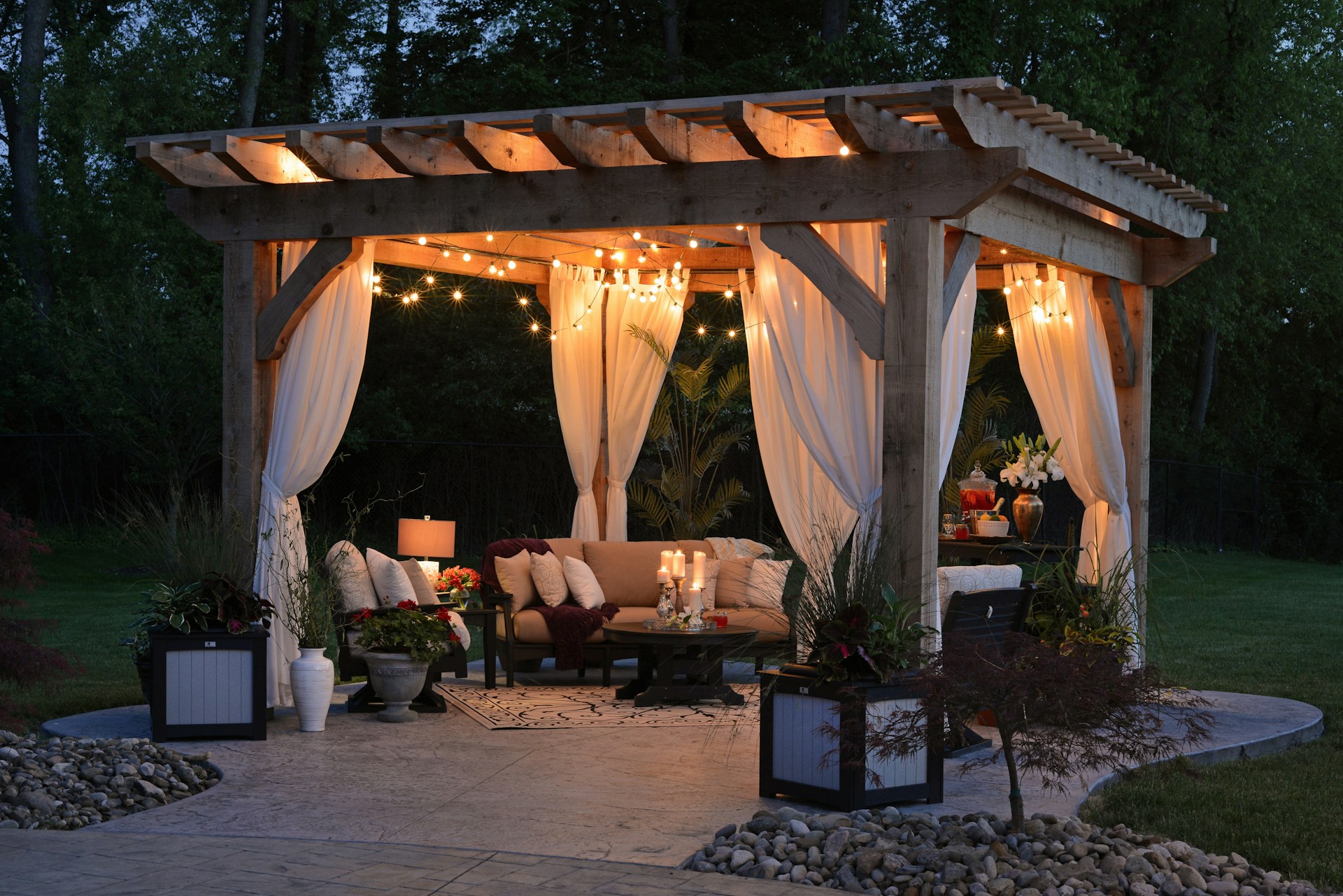
An uncovered garden often supports activities that are suited to open conditions, such as gardening, recreation, or casual movement. A covered area can accommodate activities that require greater protection from weather, including outdoor dining, reading, conversation, or relaxation. The presence of overhead shelter changes the practical possibilities of the space without necessarily requiring permanent walls. This allows one garden to contain several distinct environments, with covered and uncovered areas supporting different activities while remaining visually connected.
The Relationship Between Indoor and Outdoor Spaces
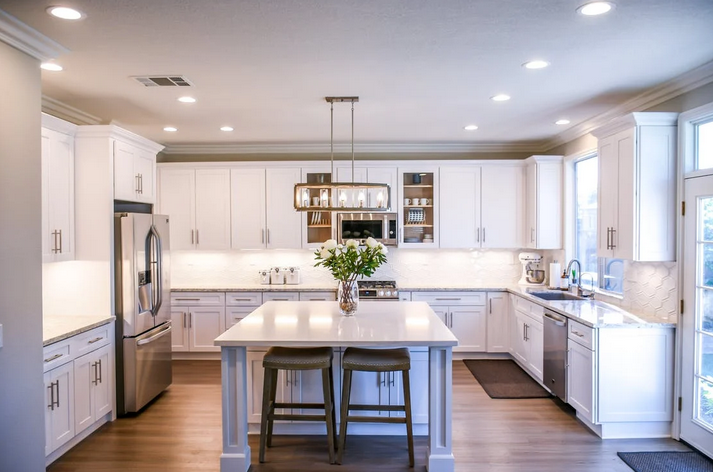
Covered outdoor areas can strengthen the connection between interior rooms and the garden. When positioned beside kitchens, living rooms, or dining spaces, they can create a gradual transition between indoor and outdoor environments. Large doors or wide openings can allow people to move easily between the two areas, making the covered section feel like an extension of the home’s interior. This relationship can influence how frequently the garden is used because outdoor space becomes more accessible and integrated into normal household routines.
How Shade Influences Garden Comfort
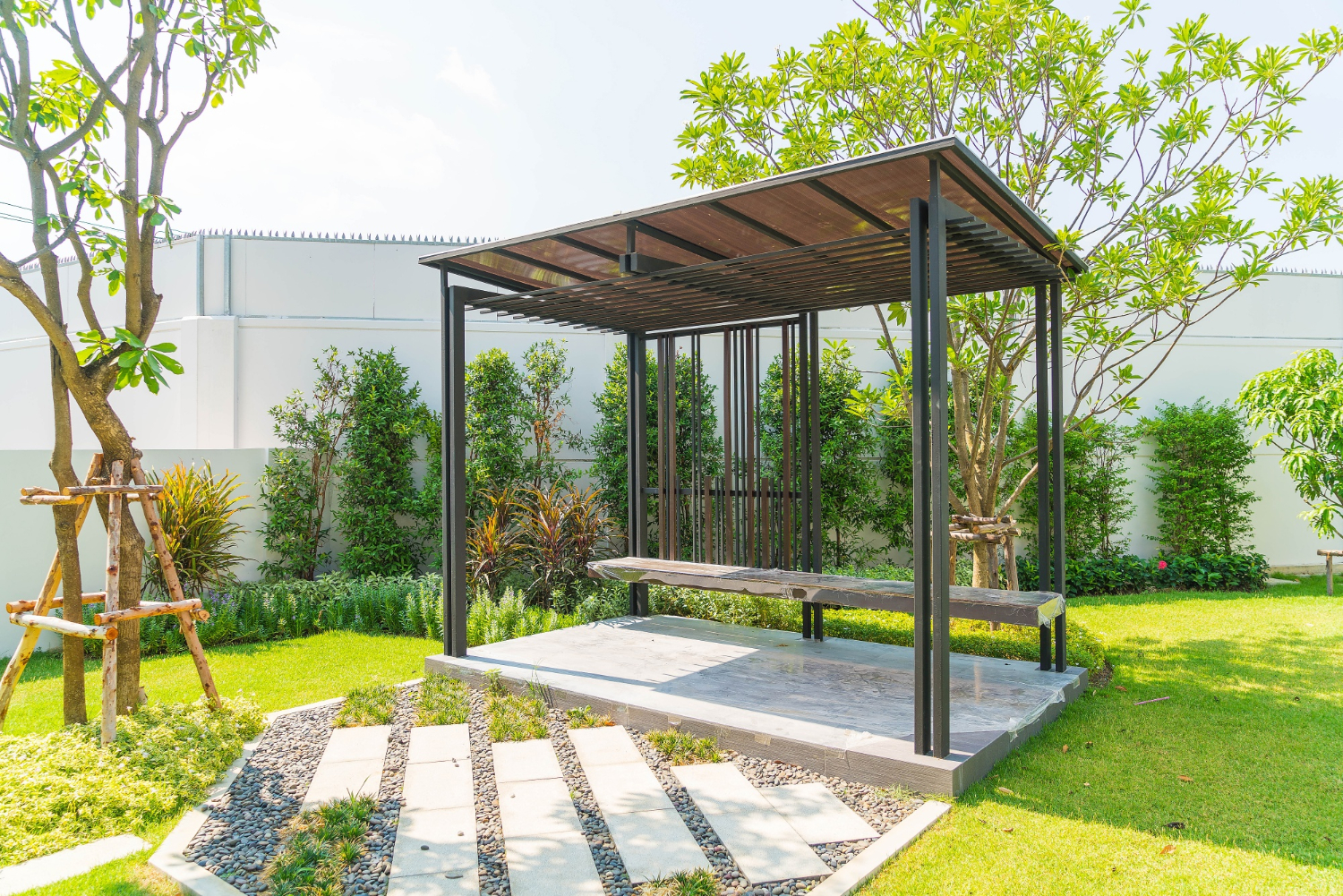
Shade is one of the most important ways covered outdoor areas affect how gardens are experienced. A shaded space can provide relief from strong sunlight and create a more comfortable environment for sitting or socializing. It can also influence the character of surrounding planting by creating different light conditions across the garden. This produces greater variation within the landscape, allowing plants and outdoor activities to occupy areas with different levels of exposure. The covering therefore influences both human comfort and the environmental conditions within the garden.
Covered outdoor areas can change how a garden is used by providing shelter, shade, and a stronger connection between indoor and outdoor living. They allow activities that depend on greater protection from weather to take place outside while creating defined zones within an otherwise open landscape. Their position beside living spaces can also make the garden feel like a natural extension of the home rather than a separate area. By introducing different levels of exposure and shelter, covered spaces give gardens greater functional variety and allow outdoor areas to play a more consistent role in everyday life.