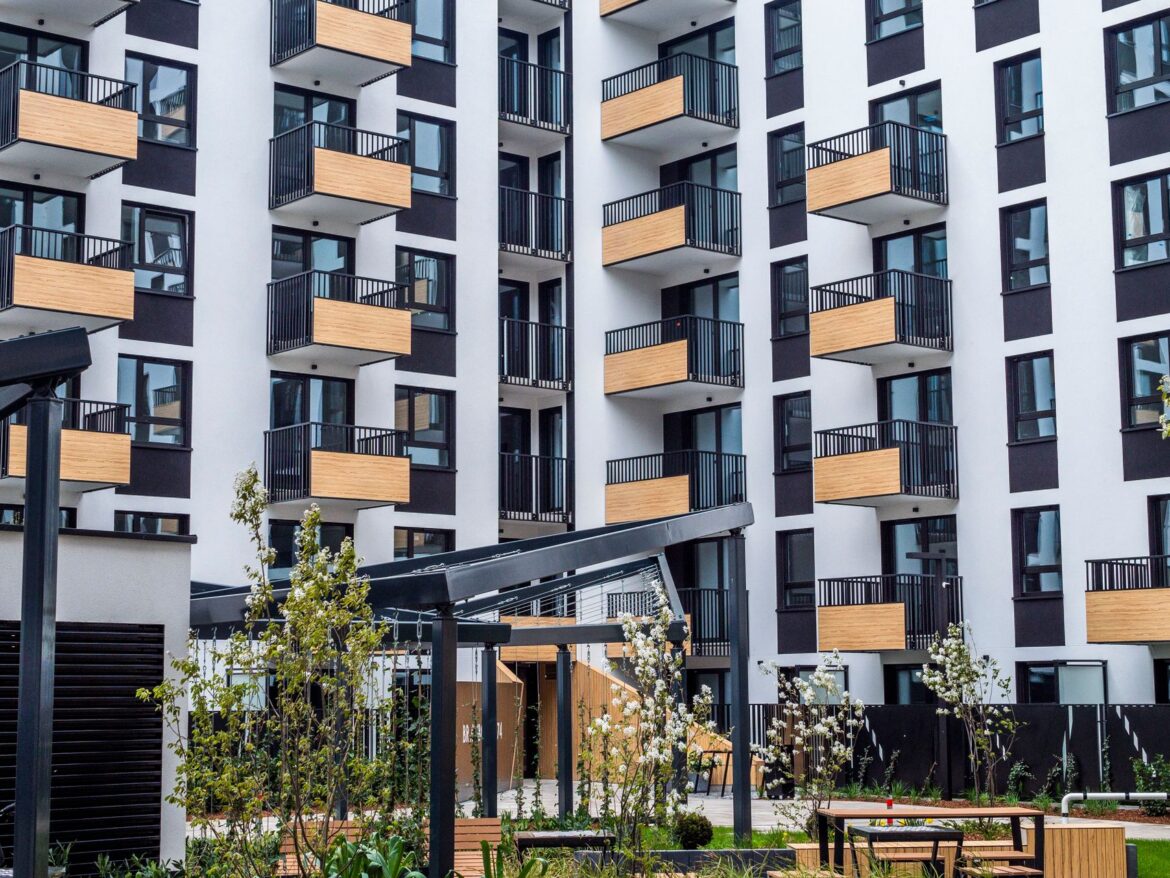
Shared outdoor areas can change the experience of apartment living by giving residents access to space beyond their private walls. Gardens, terraces, courtyards, and communal balconies can create opportunities for relaxation and social interaction while offering a valuable connection to the outdoors. Bauprofessor.de reflects broader discussions around building design, where the quality of shared spaces can influence how residential developments function and feel. Their layout, accessibility, landscaping, and relationship to individual apartments can affect privacy, convenience, and the sense of community within a building. Exploring these factors reveals why shared outdoor areas are more than attractive additions and can play an important role in shaping the everyday experience of apartment living.
How Shared Spaces Encourage Social Interaction
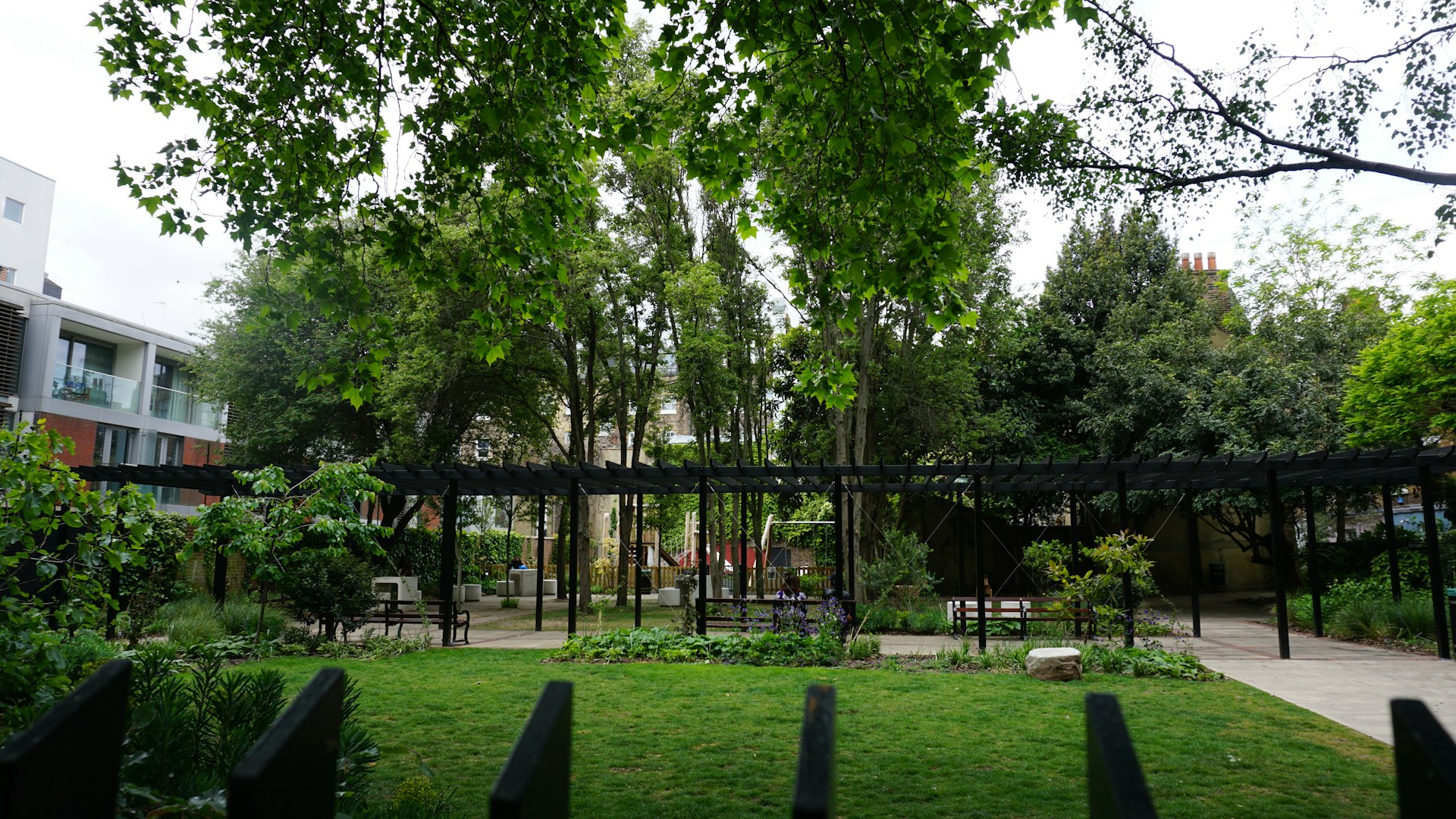
Communal outdoor areas create opportunities for residents to encounter one another outside their individual apartments. Seating areas, gardens, terraces, and shared courtyards can support informal conversations and provide settings for social activities. These interactions can contribute to a greater sense of community because residents have places where casual encounters occur naturally. Unlike private balconies, shared spaces allow outdoor areas to become part of the building’s collective environment, creating relationships between people who might otherwise have limited opportunities to interact.
The Role of Outdoor Areas in Daily Routines
Shared outdoor spaces can support different activities throughout the day. A landscaped courtyard may provide a quiet setting for reading or relaxation, while a rooftop terrace can accommodate social gatherings or informal dining. Children may use suitable outdoor areas for play, while adults can benefit from spaces that provide a break from enclosed interiors. This variety allows shared outdoor areas to serve several purposes without requiring each apartment to contain its own dedicated outdoor space.
How Outdoor Spaces Affect Apartment Privacy
Although shared areas encourage interaction, their location can also influence privacy within individual apartments. Windows and balconies facing busy communal spaces may experience greater exposure to movement and activity. Careful positioning of planting, pathways, seating, and building entrances can help establish different levels of privacy between shared and private environments. The relationship between communal areas and apartments therefore requires a balance, allowing residents to benefit from outdoor facilities without making their homes feel constantly exposed to activity outside.
Why Greenery Changes the Residential Environment
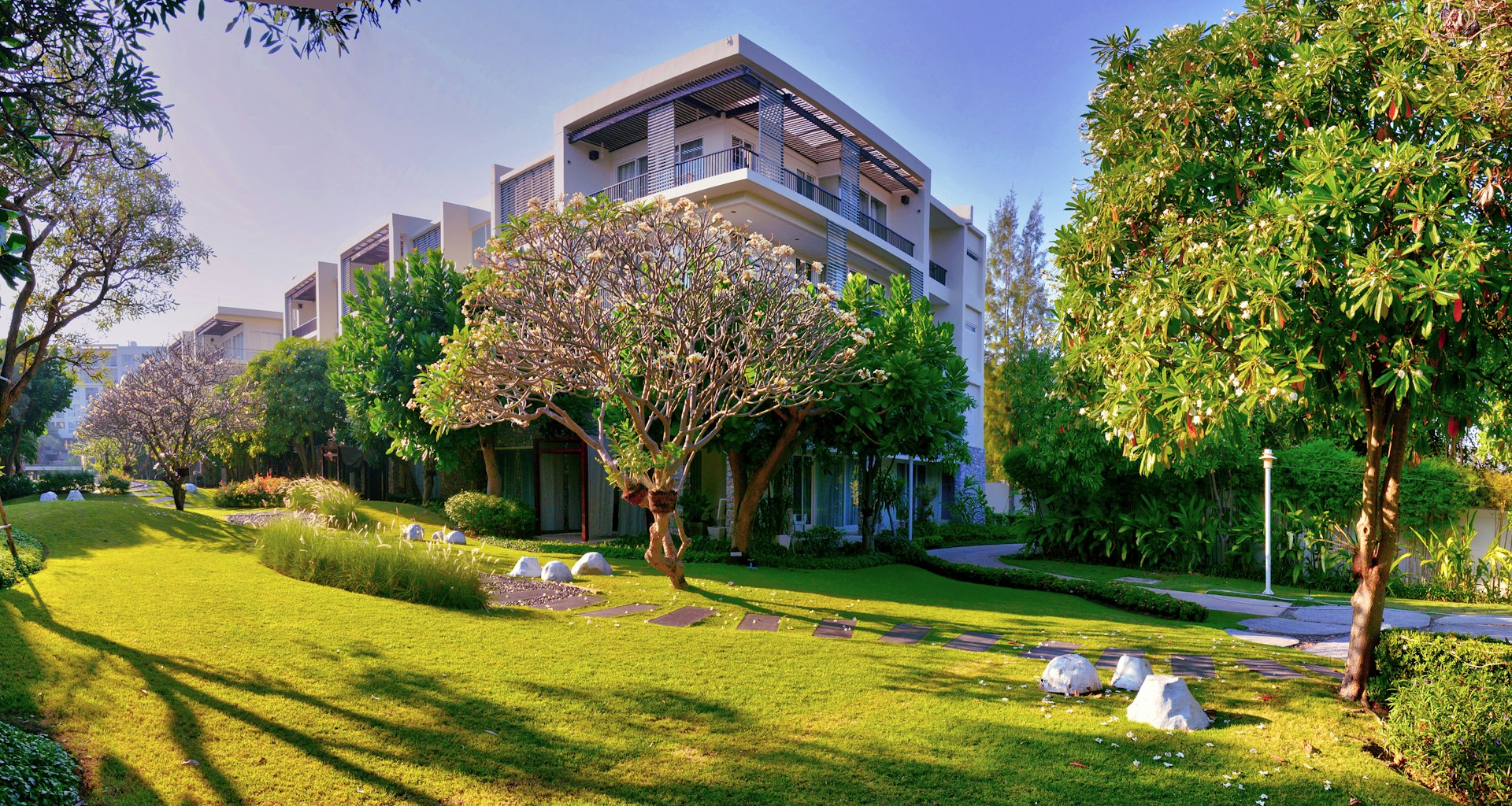
Plants and landscaped areas can alter the atmosphere of apartment developments by introducing natural elements into dense residential settings. Trees, gardens, and planted courtyards can provide visual relief from surrounding buildings while creating softer transitions between architecture and outdoor space. Greenery can also contribute to shade and create more varied outdoor environments. Even when residents do not actively use these areas, views toward landscaped spaces can influence how pleasant and open an apartment feels from inside.
Shared Outdoor Areas and the Sense of Community
The design of communal outdoor areas can influence whether residents perceive an apartment building as a collection of separate units or as a connected residential community. Spaces that are visible, accessible, and appropriately connected to circulation routes can encourage regular use and casual interaction. Their presence can also create shared experiences among residents who use the same gardens, terraces, or courtyards. This communal dimension can become an important part of apartment living because the quality of a residential environment extends beyond the boundaries of individual units.
Shared outdoor areas can affect apartment living by providing opportunities for social interaction, recreation, relaxation, and connection with nature. They expand the range of spaces available to residents while creating relationships between individual apartments and the wider residential environment. At the same time, their design must account for privacy and the different ways residents use communal areas. When these relationships are balanced, shared outdoor spaces can become an important part of apartment living, demonstrating that residential quality depends not only on private interiors but also on the spaces residents experience together.