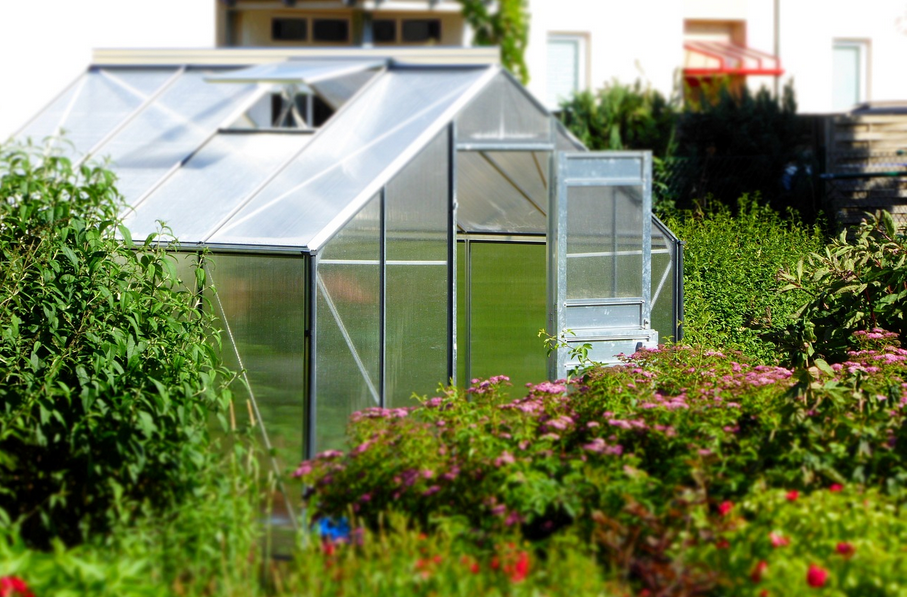
As a newbie gardener, you’ve taken the leap and invested in a greenhouse. Thanks to this article, Benefits of Using a Greenhouse, you may now be very familiar with how a greenhouse works. And now, congratulations! Now that your little plant haven is set up, it’s important to remember that maintenance can’t be overlooked to ensure your plants thrive. Don’t worry, though; we’ve got you covered with this handy greenhouse maintenance checklist.
Pest Control
One of the biggest challenges that greenhouse owners face is dealing with pests. These unwanted pesky visitors can wreak havoc on your precious plants if not kept in check. So, be sure to inspect your plants for any signs of pests. Look out for chewed leaves, wilting foliage, or tiny insects crawling around. Early detection is key to addressing the issue before it becomes a full-blown infestation.
Implementing natural pest control methods can be a safe and eco-friendly approach. For instance, introducing beneficial insects like ladybugs or lacewings can help keep aphids under control. You can also use organic insecticides derived from neem oil or pyrethrum as a more gentle alternative to harsh chemicals. To complete the task, maintain proper sanitation practices.
Regular Cleaning and Base Inspection
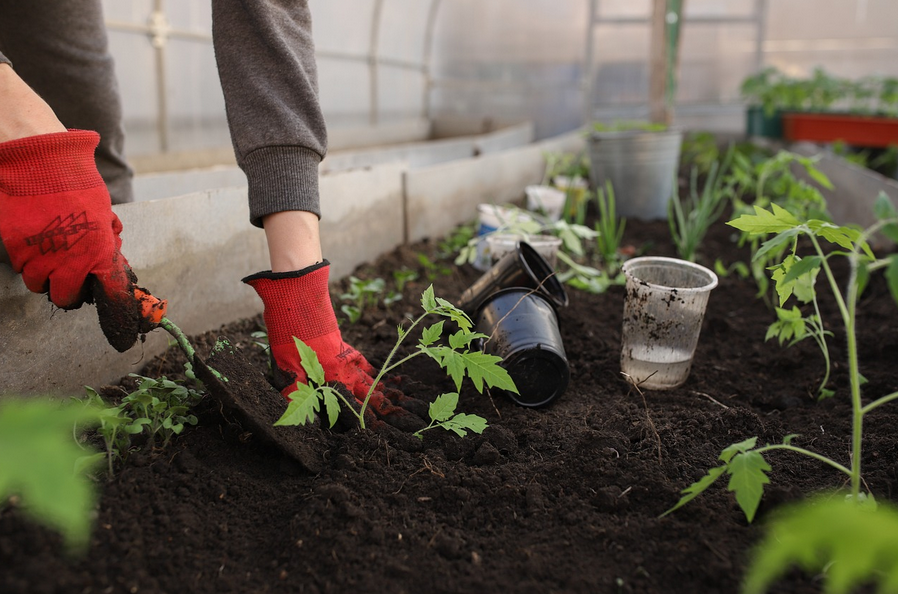
Maintaining a clean and well-inspected greenhouse is crucial for the health of your plants. Regular cleaning not only keeps pests at bay but also ensures optimal growing conditions. Here are some tips to help you stay on top of your greenhouse maintenance.
- Clear out any clutter by removing any dead leaves, fallen branches, or debris that may have accumulated inside the greenhouse.
- Clean the surfaces using a mild detergent solution.
- Inspect the base by checking for cracks or gaps in the foundation or flooring of your greenhouse.
- Monitor drainage systems and check ventilation openings.
By incorporating regular cleaning habits into your routine, along with periodic inspections of its base components, you can maintain a thriving environment for your plants.
Humidity Level
Maintaining the right humidity level in your greenhouse is crucial for the health and growth of your plants. Too much moisture can only bring in fungal diseases, while too little can cause wilting and stunted growth. So, what steps should you take to ensure an optimal humidity level? Investing in a hygrometer can be the best way to measure the humidity inside your greenhouse accurately. This nifty device will help you keep track of fluctuations and adjust accordingly. Aim for a relative humidity between 50% and 70%. To increase humidity levels, consider using water trays or humidifiers strategically placed around your greenhouse.
Ventilation System
Without adequate airflow, your plants can suffer from high humidity levels, stagnant air, and the buildup of harmful gases. To ensure optimal ventilation in your greenhouse, start by checking the vents and windows regularly. Make sure they are clean and functioning properly. Clear away any obstructions that may prevent them from opening or closing fully. Next, consider installing fans to improve air circulation. Fans can help distribute heat evenly throughout the greenhouse and minimize hot spots. Additionally, pay attention to temperature control systems such as thermostats or automatic vent openers.
By incorporating these practices into your routine greenhouse maintenance, you’ll be well on your way to successful gardening. Now go forth with confidence, armed with this greenhouse maintenance checklist. Happy gardening.